How to Choose a Desert Buggy in Dubai Media City
Choosing a desert buggy is less about picking the first vehicle that looks exciting and more about matching the ride to your plans. Around Dubai Media City and the wider Dubai area, the desert landscape can feel very different from a city street. Sand shifts, dunes rise and fall, and a route that looks simple on a map can demand steady control and good judgment. A clear selection process helps you avoid surprises and makes the day more comfortable.
Start by deciding what kind of outing you want. A short ride over firmer ground feels different from a longer desert tour with steep dunes and open stretches. Think about whether the ride is mainly for sightseeing, photography, or the driving itself. If you want a calm introduction, look for a vehicle and route that suit a steady pace. If you are drawn to dune crossing, pay closer attention to power, suspension, and guidance. The right choice depends on the experience you want, not just the size of the engine.
Work out who will be riding
The next step is to be honest about the group. An off-road vehicle may be built for one driver and one passenger, or it may have space for more people. Body size, comfort, and the ability to sit securely all matter. If children or less confident riders are joining, the vehicle choice and route should reflect that. Ask what seating and restraint arrangements are available before making plans, because a buggy that fits on paper may feel cramped once helmets and clothing are added.
Driver experience also shapes the decision. Someone new to sand driving benefits from simple controls and a route that builds confidence gradually. A person used to rough terrain may want more responsive handling. Group dynamics matter too. If several vehicles are going out together, mixed skill levels can slow the pace and change the route. It is better to plan around the least confident rider than to rely on everyone keeping up.
Set your priorities before comparing vehicles
Write down what matters most, then use that list to compare options. Useful priorities usually include comfort, control, visibility, route length, and the level of support on the day. A powerful machine is not always the best fit if it feels heavy or difficult to manage. A smaller buggy can be easier to handle, but it may feel less composed over uneven sand. Consider the trade-off between agility and stability, especially if the route includes a sand dune section.
- Comfort: check seating support, legroom, and whether the ride is likely to feel rough over uneven ground.
- Control: look for predictable steering and braking, not just speed.
- Visibility: clear sightlines help the driver read the terrain and react early.
- Route fit: match the terrain to the rider's experience and the time available.
- Support: confirm what help is present during the ride and what happens if plans change.
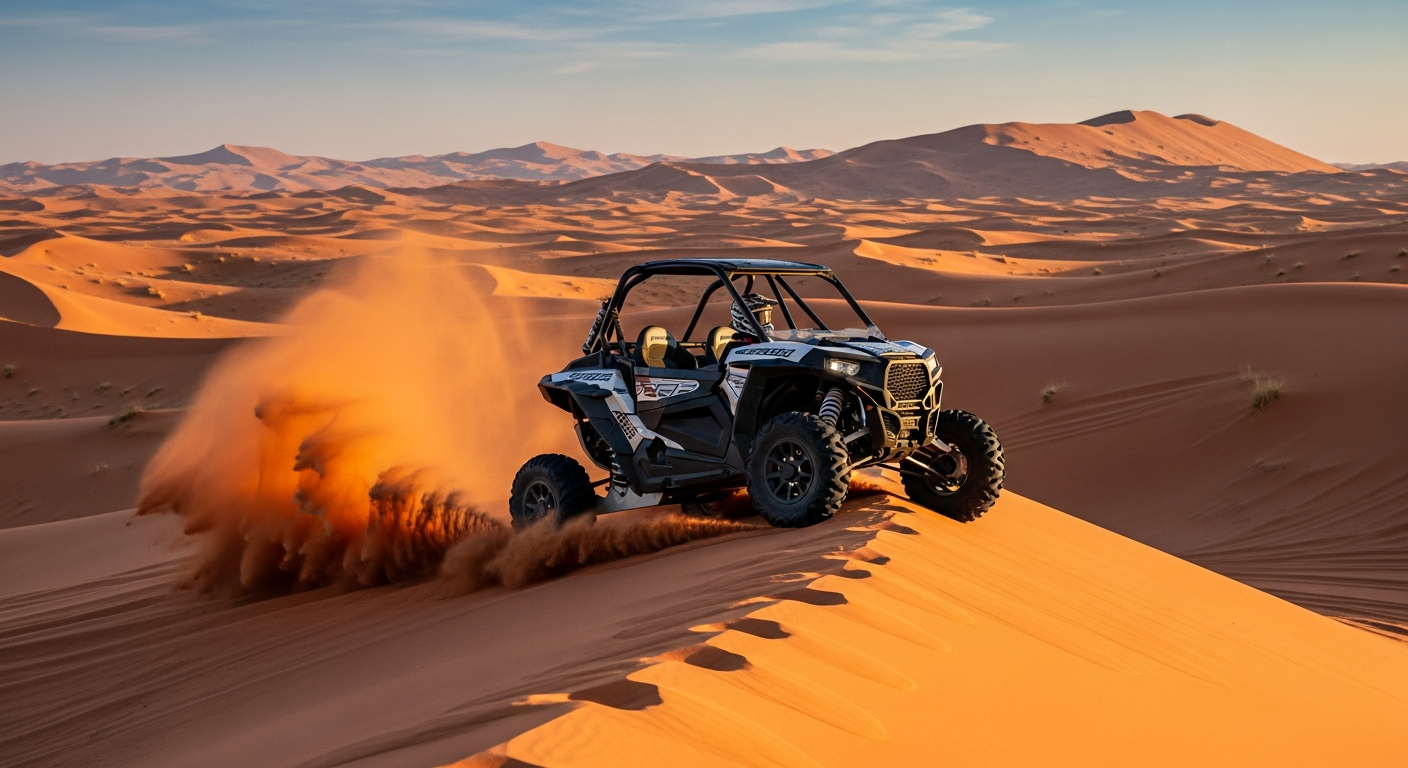
When searching for buggy desert dubai options, avoid judging only by appearance. Photos can make similar vehicles look identical, while the actual ride can vary because of setup, maintenance, route choice, and guidance. Ask plain questions and compare answers carefully. A useful answer explains what the ride involves, where the route goes in general terms, and how the vehicle is matched to the group.
Check safety basics without assuming anything
Safety should be part of the selection process, not an afterthought. A safety helmet is a basic item for buggy riding, and it should fit properly. A helmet that slips, pinches, or sits too high can distract the rider and may not give the protection expected. Ask about helmet sizes and whether riders can try different fits. Also ask about eye protection, since sand and glare can affect visibility.
Pay attention to the briefing and the rules for the ride. A responsible setup should explain hand signals, spacing between vehicles, what to do if the group stops, and how riders should behave near dunes. If an explanation is vague, treat that as a reason to pause. Desert driving has risks that are easy to underestimate, including soft sand, hidden dips, and sudden changes in surface. A sensible plan keeps vehicles apart, avoids reckless turns, and gives the driver time to see the ground ahead.
It is also worth asking how routes are chosen on the day. Conditions can change with wind and traffic over the sand. Trail navigation matters because a route that feels straightforward in one condition can become awkward in another. The best approach is one that adapts to the group, keeps riders within a manageable area, and avoids pushing anyone beyond their comfort level.
Understand the route and the pace
A route is not just a line across sand. It includes the start point, the type of terrain, stops, turns, and the return. Before choosing, ask for a plain description of the route and how long the ride is expected to take. General information is enough. You do not need exact coordinates, but you should know whether the ride stays on firmer tracks, includes rolling sand, or involves more demanding dunes.
Pace deserves as much attention as distance. A slower ride with thoughtful stops can feel richer than a fast ride that leaves little time to take in the surroundings. If photography matters, ask whether there are safe places to stop and whether the group allows enough time. Stopping on a dune crest or in a blind dip is a poor idea, so any stop should be on stable ground where vehicles can be seen clearly.
Dune crossing should be treated with particular care. Sand looks smooth from a distance but can shift under a tyre, and a steep approach can become a problem if speed or angle is wrong. Riders should follow the route set by the person leading and avoid striking out alone. If the plan involves challenging dunes, make sure the group is comfortable with that before committing.
Ask about the practical details
Some questions are simple but easy to forget. Confirm what riders should wear, whether drinks are available, and how long they should arrive before the ride starts. Loose clothing, open footwear, and items that can fly away are poor choices on a buggy. Sunglasses, closed shoes, and layers that handle sun and wind are more practical. In warm weather, sun protection deserves serious attention because reflection off sand increases exposure.
Ask what happens if the weather or ground conditions make the original plan unsuitable. A sensible operator will explain how changes are handled without putting riders in a difficult position. This is also the point to confirm anything that affects your day, such as appointment needs, payment timing, group size limits, and what is included. Confirm those details with whichever business you choose rather than assuming them.
One local option is Dune Buggy Dubai | Al Qudra Tours ATV Quad Bike Desert Safari. It can be considered alongside other local options while you compare vehicle fit, route, safety basics, and practical arrangements. Keeping several choices in view makes it easier to spot clear answers and avoid decisions based only on a striking photo.
Compare the full experience, not one feature
Once you have answers, compare them side by side. A good choice usually balances several factors rather than excelling at just one. A buggy rental that looks quick may be less appealing if the route is poorly explained. A longer ride may be less enjoyable if the seating is uncomfortable or the pace is rushed. A lower headline cost means little if important items are unclear or riders feel rushed at the start.
Read the tone of the answers as well as the content. Clear, patient responses are a useful sign when planning an activity with safety considerations. Vague answers about route, helmet fit, or what happens when conditions change should encourage more questions. The aim is not to find a perfect set of words, but to understand what the ride will actually involve.
Think about the return journey too. After time in the sand, riders may be tired, dusty, and ready for a straightforward way back into the city. If you are based near Dubai Media City or Al Safouh Second, factor in travel time before and after the ride. A well matched outing should feel manageable from start to finish, not only during the exciting part.
Make the final choice with a calm check
Before committing, run through a final check. Confirm the rider count, vehicle size, helmet fit, route type, start time, clothing advice, and how changes are handled. Make sure every rider understands that desert driving requires attention and patience. Agree that the group will follow the lead, keep safe distances, and stop if conditions or confidence change.
If something remains unclear, ask again before the day. A buggy outing is easiest to enjoy when expectations are set early. Choose the option that fits the riders, the terrain, and the level of comfort you want. With the basics settled, the desert landscape becomes the focus rather than a source of avoidable stress.
Dune Buggy Dubai | Al Qudra Tours ATV Quad Bike Desert Safari is located at Arjaan Office Tower - 6 Floor - Office 601 King Salman Bin Abdulaziz Al Saud St - Al Safouh Second - Dubai Media City - Dubai - United Arab Emirates.